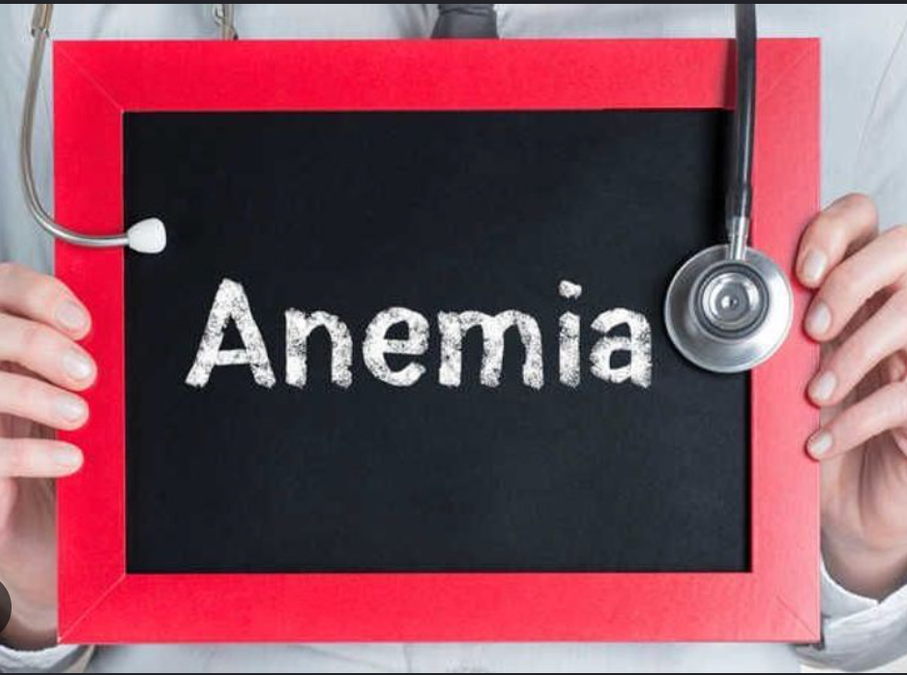
Srinagar, Nov 28: Ladakh has recorded one of the country’s highest anaemia prevalence rates, with nearly 77 per cent of women of reproductive age found to be anaemic, according to the latest findings of the Indian Council of Medical Research’s (ICMR) SAMPADA survey released this week.
Jammu and Kashmir, of which Ladakh was part until 2019, presents a markedly different picture, with anaemia prevalence among women of reproductive age recorded at 48.6 per cent, highlighting a sharp health disparity within the Himalayan region.
The Survey for Assessment of Markers of Population Health, Activity, Diet and Anthropometry (SAMPADA) is among the largest nutrition surveys undertaken in India. Conducted between 2023 and 2025, it covered more than two lakh individuals across 35 States and Union Territories.
The survey used venous blood sampling and automated analysers to assess anaemia, a method considered more accurate than the capillary blood sampling used in the National Family Health Survey (NFHS).
In Ladakh, anaemia remains widespread across age groups. The Union Territory recorded the second-highest prevalence in the country, after Andaman and Nicobar Islands, according to the survey findings.
Nearly 77 per cent of women of reproductive age in Ladakh were found to be anaemic. The prevalence stood at around 74 per cent among non-pregnant and non-lactating women aged 20 to 59 years.
Adolescent girls recorded an anaemia prevalence of 70.6 per cent, while the rate among children aged five to nine years stood at 59.3 per cent. Among children aged 12 to 59 months, the prevalence was 47.9 per cent.
Even adult men in Ladakh were affected, with 37 per cent recording anaemia.
Jammu and Kashmir, in comparison, recorded substantially lower prevalence rates across most age groups.
Anaemia was found in 48.6 per cent of women of reproductive age and 48.4 per cent of adult women aged 20 to 59 years.
Among adolescent girls, the prevalence stood at 36.2 per cent. Children aged 12 to 59 months recorded a rate of 30.5 per cent, while only 18.6 per cent of children aged five to nine years were found to be anaemic.
The prevalence among adult men in Jammu and Kashmir was recorded at 14.6 per cent.
At the national level, anaemia affected 41.8 per cent of children aged 12 to 59 months, 46.3 per cent of adolescent girls and 55.9 per cent of women of reproductive age.
The rates among adolescent boys and adult men were considerably lower, ranging between 22 and 23 per cent. Severe anaemia remained below two per cent in most age groups.
Health experts note that high-altitude regions such as Ladakh face distinct nutritional and physiological challenges that may contribute to elevated anaemia levels.
The SAMPADA findings underline the need for targeted, location-specific interventions to address the burden of anaemia, rather than relying on uniform national strategies.
The survey highlights the importance of understanding regional differences in nutrition and health indicators to design interventions that respond to the specific needs of populations across States and Union Territories.